The Best GMRS Radio For Beginners
If you are looking to get into two-way radio communications, you have likely asked yourself: Which radio should I choose? What is the best GMRS radio for beginners?
Diving into General Mobile Radio Service (GMRS) can feel overwhelming with all the technical jargon, complex key combinations, and endless aftermarket accessories. Fortunately, getting started doesn’t have to be complicated.
In this guide, we will break down the top beginner-friendly GMRS radios, explore essential features like USB-C charging and SMA (SubMiniature version A) antenna ports, and help you choose the right setup for your communication needs.

Why Choose GMRS?
Before jumping into the hardware, it helps to understand what GMRS is. GMRS is a licensed radio service regulated by the Federal Communications Commission (FCC) that uses UHF (Ultra High Frequency) channels around 462 and 467 MHz.
Unlike traditional walkie-talkies or low-power license-free radios, GMRS allows for higher power outputs, detachable antennas, and the use of repeaters to drastically extend your transmission range. Best of all, getting an FCC GMRS license is simple—there is no test required, just a fee, and the license covers your entire immediate family.
Top Picks: The Best GMRS Radios for Beginners
When starting out, you want a radio that offers the “path of least resistance”—meaning easy-to-navigate menus, out-of-the-box readiness, and reliable performance without requiring a computer or a complicated programming cable just to get talking.
Two standout options fit this description perfectly:
1. Baofeng UV-5G Mini
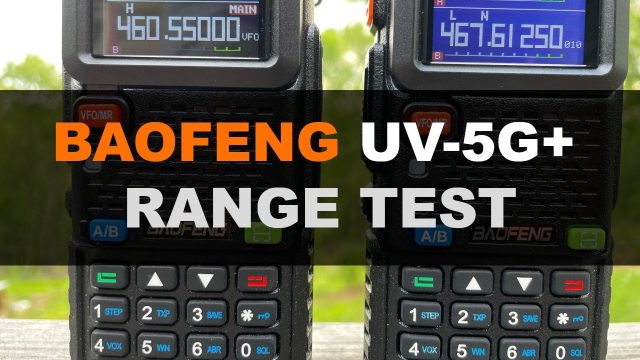
The Baofeng UV-5G Mini (and its sibling variants) is a compact, modern GMRS handheld radio.
- Why it’s great for beginners: It is exceptionally well-made, highly portable, and features a straightforward menu system. You won’t have to fumble through weird key combinations or hold down specific power buttons just to switch operating modes.
- Performance: Out of the box, these radios come pre-programmed with all standard GMRS channels and repeater frequencies. In real-world testing with stock settings, users consistently see around 2.5 miles of clear radio-to-radio range.
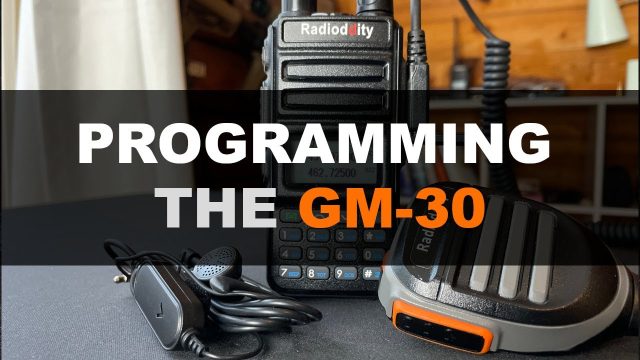
2. Retevis GM30 Plus / Pro Edition
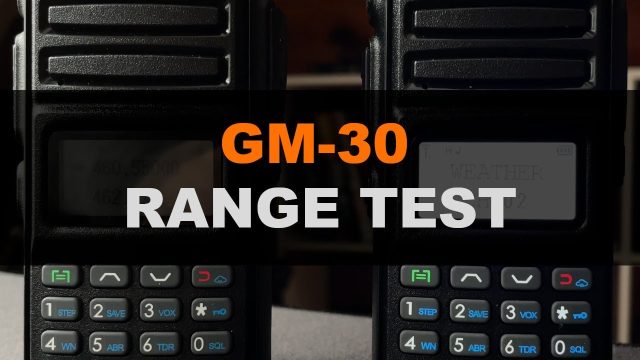
Considered the “big brother” to smaller compact units, the Retevis GM30 offers a slightly larger body style, a bigger screen, and a more spacious keypad—making it a great choice if you prefer larger, easy-to-read buttons.
- Why it’s great for beginners: Like the Baofeng, the menu navigation is intuitive. While the Pro Edition allows for phone-based programming, you honestly won’t even need it because manual menu adjustments are so simple.
Key Features to Look For in a Beginner GMRS Radio
When shopping for your first setup, keep an eye out for these crucial specifications that separate modern radios from outdated models:
Modern USB-C Charging
Gone are the days of being forced to use a bulky desktop charging cradle just to power up your device. Both top-tier beginner radios feature direct USB-C charging ports. This allows you to easily charge your radios using standard phone chargers, mobile power banks, or in your vehicle—a massive convenience for travel, emergency preparedness, or extended outdoor use.
The Right Antenna Port: SMA Male vs. Female
Antennas are vital for radio performance, and understanding your radio’s physical connector is essential before buying aftermarket gear.
- These beginner-friendly GMRS radios feature an SMA Male port on the radio body itself.
- This means you need an SMA Female style base for your antenna.
- Why this is a good thing: The vast majority of popular aftermarket tactical and whip antennas (such as those from Nagoya, Tidradio, and Abbott) utilize SMA Female connectors. Having an SMA Male radio port ensures total compatibility with high-performance upgrades down the road.
Upgraded 15-Inch Whip Antennas
While stock antennas work fine for short-range communication, look for bundles or kits that include a 15-inch whip antenna. Swapping out a short stubby antenna for a quality whip dramatically improves signal clarity and reception, stretching your usable range significantly.
Going Beyond the Basics: Privacy Codes and Repeaters
Once you are comfortable turning the radio on and talking on a shared channel, you can start exploring slightly more advanced features:
- Privacy Codes (Filter Tones): If you are chatting on a busy channel (like GMRS Channel 18) and picking up unwanted traffic, you can program a privacy code. Think of these as filter tones that keep your speaker muted until someone transmits with the matching tone.
- NOAA Weather Channels: Both recommended radios come packed with NOAA (National Oceanic and Atmospheric Administration) emergency weather frequencies, adding immense value for outdoor recreation and emergency readiness.
- Monitoring Local Public Safety Frequencies: With a bit of manual programming (using frequency databases like RadioReference to find local analog fire, police, and EMS channels), you can use these radios as desktop scanners to monitor public safety communications in your area.
Watch My Radio Operator Course On YouTube
Final Thoughts
You don’t need to be an RF engineer or a seasoned radio operator to enjoy clear, reliable communication. Whether you are building out an emergency preparedness kit, coordinating family outings, or just getting your feet wet in the hobby, starting with an intuitive, pre-programmed radio like the Baofeng UV-5G or Retevis GM30 will save you a lot of frustration.
Grab a two-pack bundle, make sure you get the kit with the upgraded whip antennas, and you’ll be on the air in no time!